Solomon Eshun
  • research
  • blog
Categories
All (8)
AI Tools (1)
Causal Inference (1)
causal inference (1)
Claude Code (1)
Clinical Trials (1)
Data Visualization (1)
Design (1)
epidemiology (1)
High-Dimensional Data (1)
mice (1)
Missing Data (1)
NLP (1)
Python (1)
R (5)
Regression (1)
Sentiment Analysis (1)
Statistics (4)
Study Design (1)
TMLE (1)
Workflow (1)

A collection of things I’ve figured out along the way, things I want to remember, and things I’ve written down simply because I wanted to learn something new. Sometimes it’s a useful idea; other times, it’s just a thought I felt like putting into words.
Bringing Claude Code Into My R Workflow

R
Claude Code
AI Tools
Workflow
I spend most of my analysis time in RStudio, and I wanted an AI assistant that lives inside that workflow rather than in a separate browser tab where I would have to copy code back and forth. Claude Code turned out to be a clean fit; that means I can run Claude Code right next to my scripts, let…
Aug 6, 2026
Solomon Eshun
6 min

The SCAD Penalty for High-Dimensional Regression

Statistics
High-Dimensional Data
Regression
R
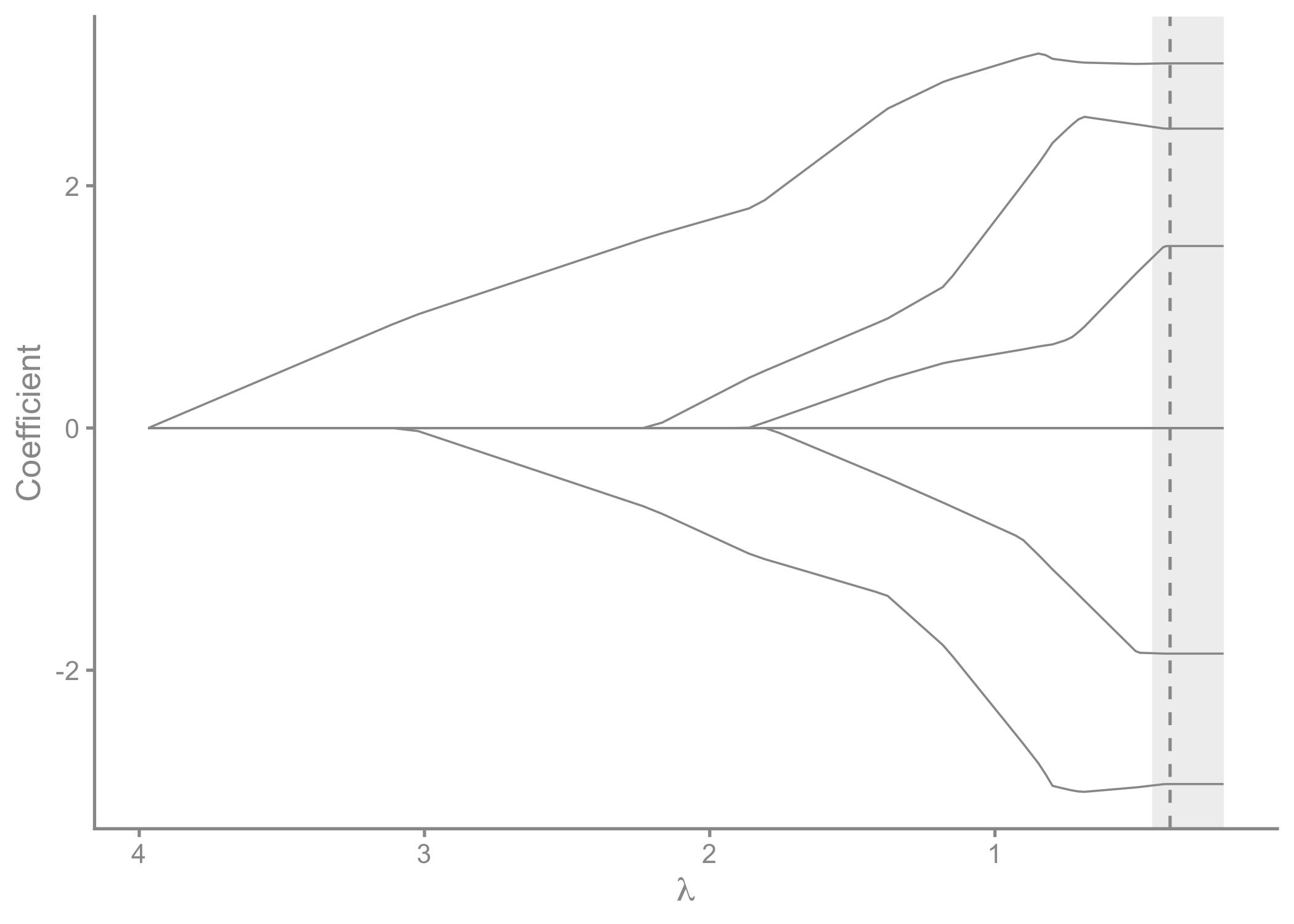
Modern datasets are often wide, with far more predictors (\(p\)) than observations (\(n\)). A genomic study, for example, might measure 20,000 genes on a few hundred patients, and an imaging study might extract thousands of features from a small number of scans. When \(p > n\), ordinary least…
Jun 15, 2026
Solomon Eshun
15 min

Imputation with Bounds: A Truncated Method for mice

Missing Data
Statistics
R
mice
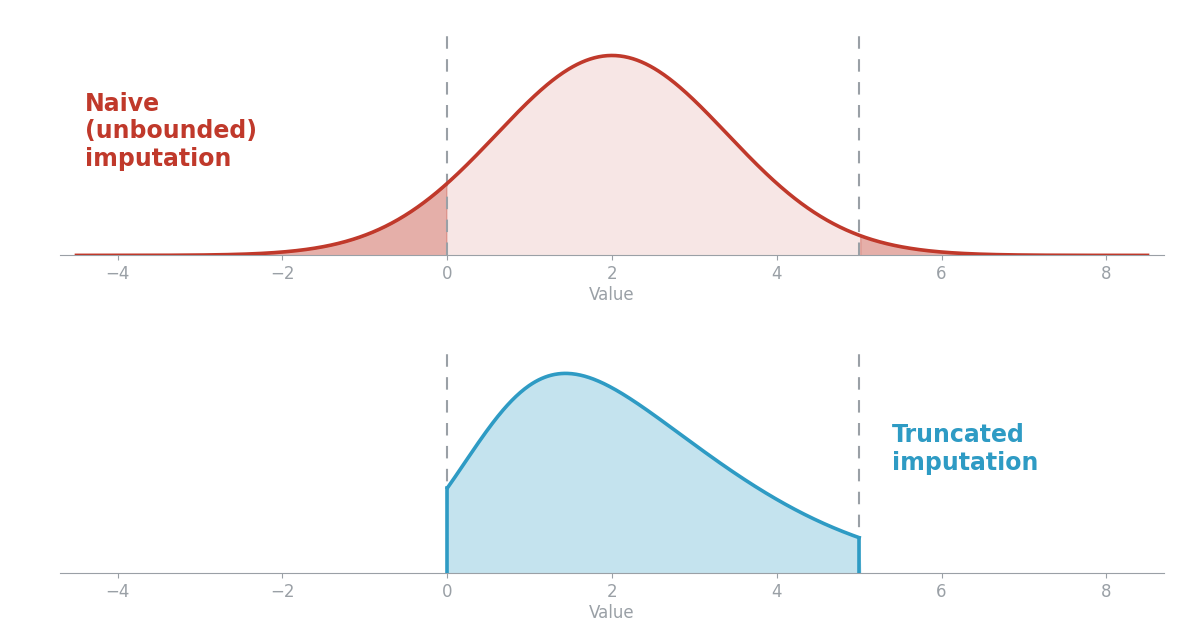
Multiple imputation is the standard remedy for missing data, and the mice package in R makes it easy to fill in gaps by drawing plausible values from a model fit to the observed data (Buuren and Groothuis-Oudshoorn 2011; Buuren 2018). Its default methods work well for variables that can, in…
Apr 15, 2026
Solomon Eshun
11 min

Making Hex Stickers in R

R
Data Visualization
Design
Hex stickers have become a visual signature of the R ecosystem, appearing on packages and representing projects, labs, and areas of research.
Apr 12, 2026
Solomon Eshun
5 min

Covariate-Constrained Randomization in CRTs

Clinical Trials
Statistics
Study Design
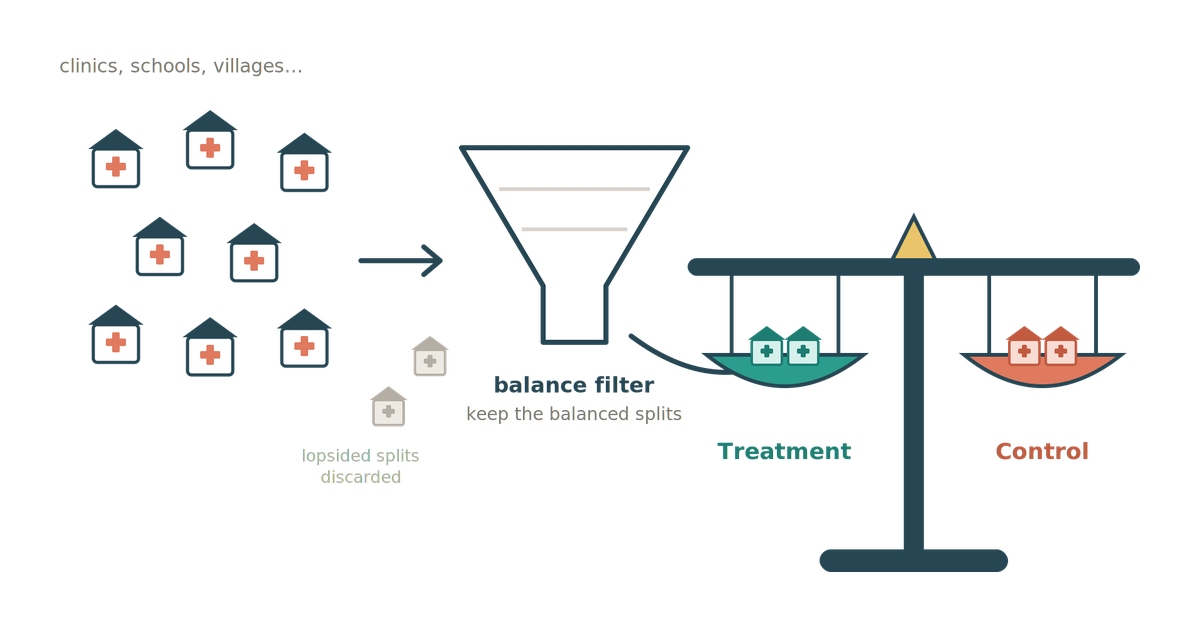
Cluster-randomized trials (CRTs) randomize intact groups (like clinics, schools, villages) rather than individuals, and are widely used when interventions are delivered at the group level or when individual randomization may lead to contamination between study arms (Murray 1998; Hayes and Moulton…
Dec 5, 2025
Solomon Eshun
9 min

Targeted Maximum Likelihood Estimation (TMLE)

Causal Inference
Statistics
TMLE
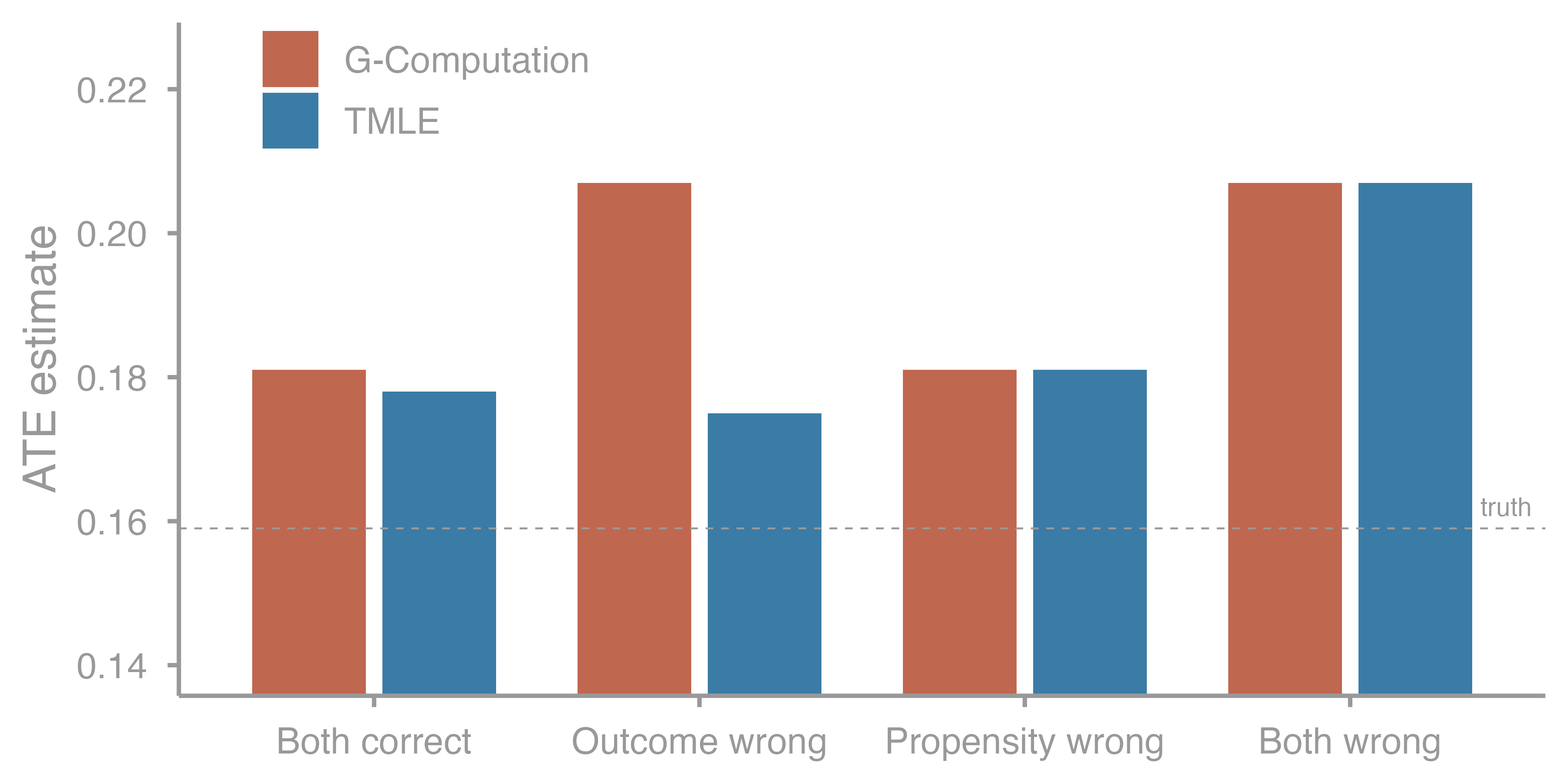
Two strategies dominate the estimation of treatment effects from observational data. The first models the outcome: fit a regression of the outcome on treatment and covariates, then predict the potential outcomes under treatment and control and average their difference (the g-computation approach).…
Feb 17, 2025
Solomon Eshun
12 min

Getting Started with G-Computation

causal inference
R
epidemiology
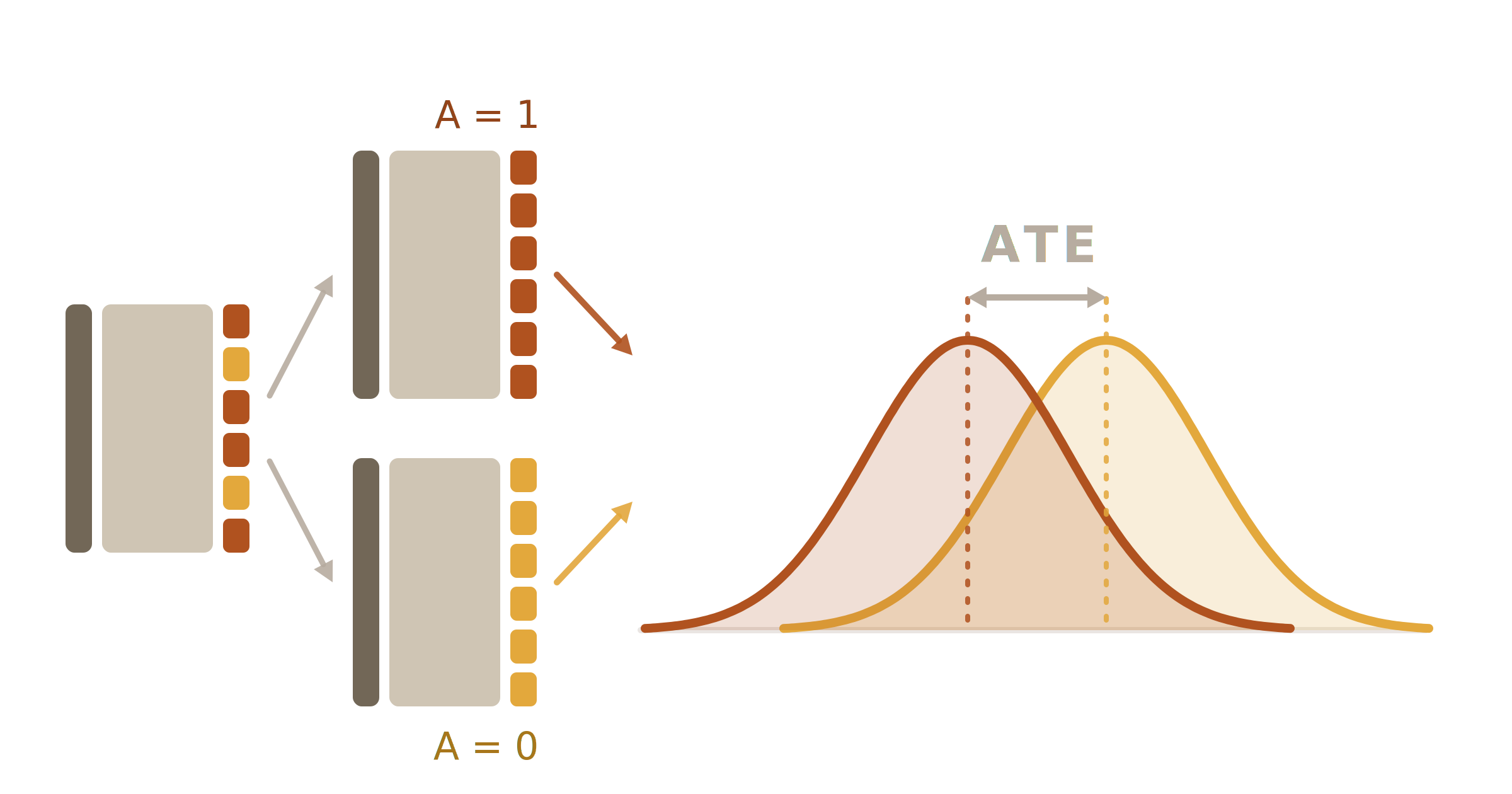
How do you answer a question you never got to run the experiment for? Suppose you run a six-month exercise program (or intervention) and want to know whether it lowers systolic blood pressure (SBP). The tempting move is to compare the average SBP of people who enrolled against people who didn’t…
Aug 26, 2024
Solomon Eshun
12 min

Text Preprocessing for Sentiment Analysis

NLP
Sentiment Analysis
Python
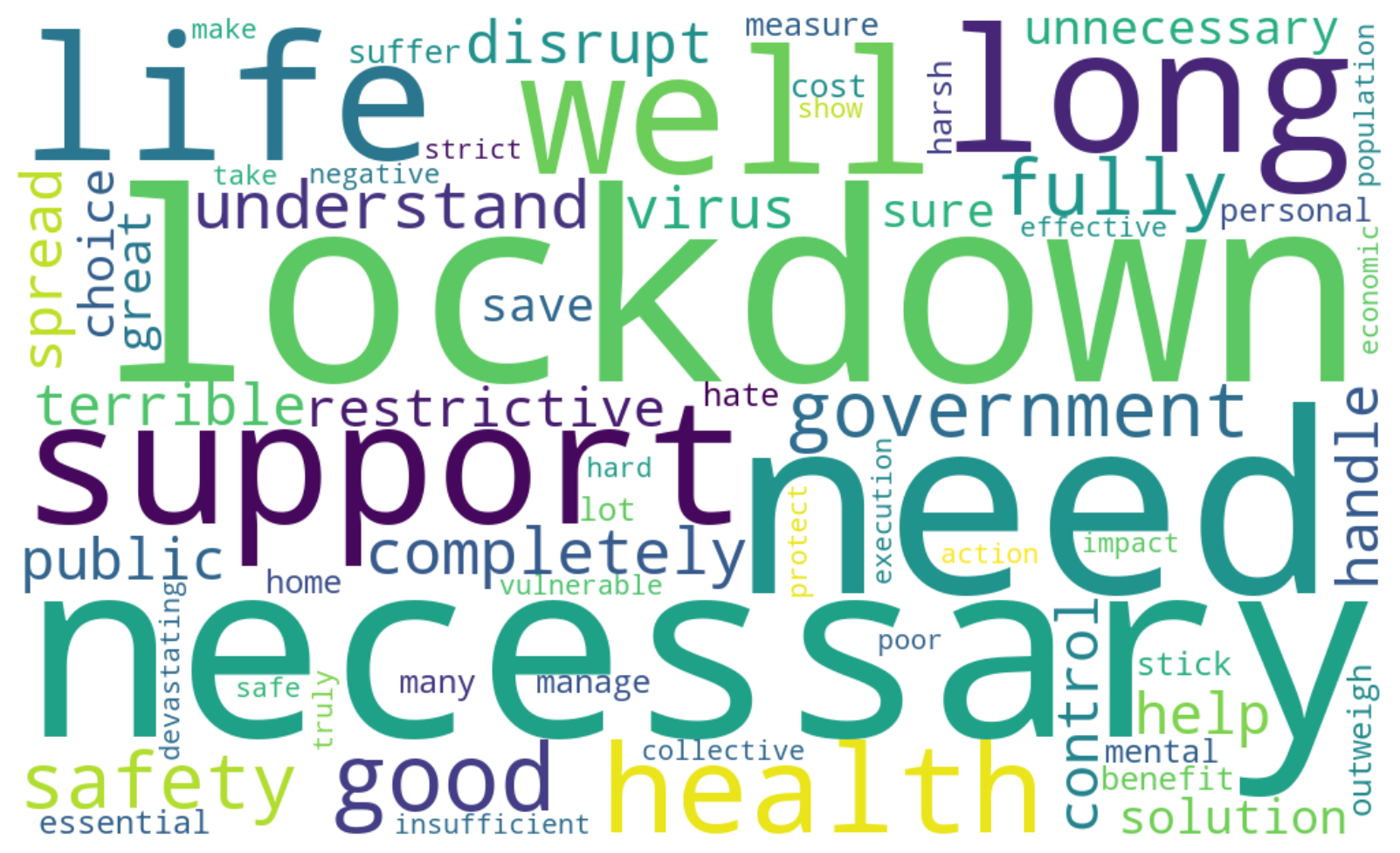
Sentiment analysis is a natural language processing (NLP) technique used to identify and classify the sentiment expressed in text. In public health, sentiment analysis can inform health communication, patient engagement, and policy decisions by revealing community responses to health advisories…
Apr 11, 2024
Solomon Eshun
8 min
No matching items

© 2024-2026 Solomon Eshun


Content licensed under CC BY 4.0